
Roofing Contractor in Walnut, CA for Tile Repair, Reroofs & Honest Pricing
A Walnut roof can look perfect from the street and still be failing underneath. Many concrete tile roofs here went on between the 1970s and 1990s, and the original 30-lb felt under those tiles usually breaks down after 20 to 30 years. Then the first big winter storm after a long dry summer finds every worn valley, slipped tile and cracked flashing at the same time. Top Value Roofing is a local team that repairs, replaces and installs roofs built for Walnut's 100°F heat waves, Santa Ana winds and hillside fire zones, with honest pricing and careful work.
We work on the roofs Walnut actually has: S-tile and flat concrete tile on Snow Creek and Lemon Creek tract homes, older composition shingle on 1970s–80s ranch houses, and large hillside custom homes in the Walnut Hills areas off Brea Canyon Road. We know which tracts need HOA color approval, when a reroof triggers Title 24 cool-roof rules, and how to work around rooftop solar. You'll get a clear, line-item written estimate before any work starts.
- ✓Bonded and insured
- ✓Free, no-obligation quotes
- ✓Financing available
- ✓Line-item written estimates
- ✓Serving Walnut and a 20-mile radius
- ✓Residential and commercial roofing
- ✓Emergency roofing response
Request Your Free Estimate
No obligation. Fast, honest quotes.
Thank you — your request was sent!
A member of the Top Value Roofing team will reach out shortly. Need help now? Call (909) 308-2575.
Why Walnut Roofs Need a Local Roofing Contractor
Walnut's roofs take a specific kind of beating. Extreme summer heat, months without rain, wind-exposed ridgelines, fire-prone canyons and active fault lines all show up in how roofs here age and fail. A roofer who knows these patterns can catch problems early and fix them for good.
Heat, Drought, Santa Anas and Shaking
Summer highs in Walnut usually sit in the low-to-mid 90s, and heat waves from August into early October regularly top 100°F. On those days a dark shingle or the felt under your tile gets far hotter than the air, which dries out asphalt and speeds up curling and granule loss. Rainfall is only about 15–18 inches a year, mostly from November to March, so debris and hidden underlayment damage can build up for months before the first atmospheric river shows them. Santa Ana gusts hit hardest on ridgelines and canyon-facing slopes, where they lift ridge tiles and drop eucalyptus and oak debris into valleys. The Puente Hills thrust, Whittier and Chino faults are all close by, and the 2008 Chino Hills quake was felt strongly here. Heavy tile can slip or crack in shaking, so how it's fastened matters.
Common Roofing Problems We See in Walnut Homes
Most Walnut roof problems come from a handful of local causes: old underlayment under good-looking tile, intense UV, windblown debris, hillside soil movement and aging flat sections. Here's what to look for and how serious each issue tends to be.
Failed Underlayment Under Concrete Tile Serious
Tile sheds most of the water, but the felt underlayment beneath it is the real waterproofing layer. Once that felt gets brittle, cracks or tears, water that slips past the tiles reaches the roof deck and then your ceilings.
Why it's common hereA large share of Walnut's tract homes were built from the 1970s through the 1990s with 30-lb felt under concrete tile. That felt usually lasts 20–30 years, and summer attic heat above 100°F speeds up its decline. Concrete tile can last much longer, so homeowners see an intact roof and assume it's fine. After a dry summer and fall, the first heavy winter storm pushes water through the worn felt at valleys, chimneys and roof-to-wall joints, and leaks seem to appear overnight.
Signs you'll notice- Ceiling stains near valleys, chimneys or skylights after the first big storm
- Brittle, crumbling felt visible at eaves or under a lifted tile
- Dark or soft decking seen from the attic
- Musty attic smell after rain
- Roof is 25+ years old with original underlayment
We see this all the time in 1980s Snow Creek and Lemon Creek tracts and in Walnut Ranch area homes with original tile. Leaks tend to show up first on north-facing slopes and around valleys under mature trees, usually in December or January.
Our fix: Tile lift-and-relay: we remove and stack existing tiles, install new modern underlayment and valley metal, replace broken pieces, then relay the original tile so the look stays the same.
Slipped, Cracked or Wind-Lifted Tiles Moderate
Individual tiles crack, shift down the slope or come loose at the ridge and hips. Each gap lets in water, sunlight and pests, and it puts more weight and stress on the underlayment underneath.
Why it's common hereSanta Ana winds blow hardest on Walnut's ridgelines and canyon-facing slopes, and they lift ridge and hip tiles. Earthquakes on nearby faults can shift tile that was laid without modern fastening. Foot traffic from solar installers, satellite techs and holiday-light hangers breaks plenty of tiles too. Concrete tile also gets more brittle with decades of UV, so a hit that an old tile would have survived when new can crack it today.
Signs you'll notice- Visible gaps or out-of-line rows from the street
- Tile pieces in gutters or on the ground
- Loose or missing ridge caps
- Broken tiles around solar panel mounts
- Daylight visible through the roof from the attic
Most common on Walnut Hills hillside homes and homes along the Brea Canyon Road corridor after fall Santa Ana events. We also see clusters of cracked tiles on homes that had solar installed in the past decade.
Our fix: Replace broken tiles with matching profiles, re-set slipped courses, and re-secure ridge and hip tiles with proper fasteners and mortar or modern ridge systems.
Active Storm Leak or Wind Damage Emergency
Water coming into the living space during a storm, or a section of roof torn open by wind or a falling branch. This needs immediate temporary protection to stop interior damage, mold and electrical hazards.
Why it's common hereWalnut gets most of its yearly rain in a few winter storms, often slow-moving atmospheric rivers that dump inches in a day or two. Underlayment weaknesses that stayed hidden all summer fail all at once. Mature eucalyptus, oak and pine trees in established neighborhoods drop heavy limbs during wind events, and steep hillside lots make roofs more exposed.
Signs you'll notice- Water dripping from ceilings or light fixtures
- Bulging, sagging drywall
- Missing roof sections or exposed deck
- Tree limb resting on the roof
- Water running down interior walls
Calls jump during the first big storm of the season and during Santa Ana wind events. Homes near Creekside Park and other tree-lined areas, plus hillside estates, see the most branch and debris damage.
Our fix: Emergency tarping or temporary dry-in, photo documentation for your insurer, and then a scheduled permanent repair once conditions are safe.
Clogged Valleys and Worn Valley Metal Moderate
Valleys are where two roof slopes meet and carry the most water. When leaves and tile debris pile up, or the valley metal rusts through, water backs up under the tiles and around the flashing.
Why it's common hereWalnut's mature trees and Santa Ana winds fill valleys with leaves, needles and seed pods. Because months go by without rain, nobody notices until the first storm, when water dams behind the debris. Many 1980s–90s valleys still have their original galvanized metal, and after decades it rusts or gets punctured.
Signs you'll notice- Leaves and debris piled in roof valleys
- Rust stains on valley metal
- Leaks directly below where two slopes meet
- Overflowing water at valley ends during rain
- Plants or moss growing in the valley
Very common under mature landscaping in Timberline and Suzanne Park area neighborhoods. Two-story Mediterranean tract homes with complex rooflines have more valleys and more trouble spots.
Our fix: Clear debris, then replace corroded valley metal and the underlayment beside it, and relay the valley tiles so water drains cleanly.
Ponding and Seam Failure on Flat Sections Moderate
Patio covers, room additions and rear porches often have low-slope roofs with rolled roofing, modified bitumen or coatings. Standing water and aging seams break down these surfaces much faster than the main roof.
Why it's common hereMany Walnut homes added flat-roofed patio covers and additions years after the original build, sometimes with marginal slope. Strong year-round UV cracks coatings and dries out seams. Water that sits for days after a storm finds every weak lap. These areas are hard to see from the ground, so they're easy to forget.
Signs you'll notice- Water standing 48+ hours after rain
- Blistered, cracked or alligatored surface
- Open or lifting seams
- Stains on patio ceilings
- Leaks where the flat roof meets the main wall
Typical on 1970s–80s ranch homes along the La Puente Road corridor and on homes with older patio additions. Leaks often show where the flat section ties into the main roof.
Our fix: Repair seams and coatings, or reroof the section with modified bitumen or a reflective single-ply membrane that meets Title 24 low-slope cool-roof rules.
Failed Skylight Curbs and Flashing Minor
Skylights need flashing and seals around their curbs to stay watertight. When sealants crack or the curb flashing corrodes, water gets in around the skylight frame and stains the ceiling around it.
Why it's common hereLots of Walnut homes got skylights in the 1980s and 1990s, and many of those units are now at the end of their life. Constant UV exposure dries out sealants and the mastic around them, and summer heat makes the materials expand and shrink every day. Older acrylic domes also craze and crack.
Signs you'll notice- Stains on drywall around the skylight
- Condensation or water between dome layers
- Cracked or yellowed dome
- Dried, cracked sealant around the curb
- Drips during wind-driven rain
Most common in 1980s–90s two-story tract homes in Snow Creek and Walnut Ranch area neighborhoods, where builders installed several skylights over stairwells and kitchens.
Our fix: Reflash the curb with new metal and underlayment, or replace the skylight unit entirely when the dome or frame has failed.
Missing Bird Stops, Rotted Fascia and Pest Entry Minor
Bird stops and eave closures fill the open ends of curved tile at the eaves. When they're missing or broken, birds, rodents and bees move in, and embers can get under the tile in a wildfire.
Why it's common hereWalnut's S-tile and barrel tile roofs leave openings at every eave course. Original closures break down over decades, and wildlife from nearby hills and trails moves right in. In CAL FIRE high and very high fire hazard areas, open tile ends are an ember risk that insurers and Chapter 7A rules care about. Water that gets in through those gaps also rots fascia and starter boards.
Signs you'll notice- Birds nesting under eave tiles
- Scratching or buzzing in the attic
- Nesting material at gutters
- Soft, peeling or rotted fascia boards
- Open tile ends visible along eaves
Most common on hillside homes in the Walnut Hills areas and on properties next to equestrian trails and brush-covered canyons, where both wildlife pressure and fire risk are highest.
Our fix: Install fire-rated bird stops and eave closures, replace rotted fascia and starter boards, and update vents to ember-resistant models where needed.
Roofing Services for Walnut Homes and Businesses
Each service below is set up for the roofs Walnut actually has: concrete and clay tile, older shingle, and flat add-on sections. We'll recommend the smallest fix that solves the problem, and we'll explain why when a bigger job really makes more sense.
Roof Repair
We find and fix leaks, broken or slipped tiles, worn flashing, failed skylight curbs, damaged valleys and flat-section seams. The aim is to stop the leak and keep it stopped, not to tack on work you don't need.
Our approachWe trace each leak from the inside stain back to its source. We pull tile carefully so we break as little as possible, use matching replacement tile when it's available, and seal penetrations with UV-resistant materials made for Southern California heat.
In Walnut, CAMost Walnut repairs come down to tile, valleys and roof-to-wall flashing that's been stressed by heat and hillside soil movement. We keep matching concrete tile profiles in mind, since many tract colors have been discontinued, and we photograph every repair for your records.
Best for: Homes with one or two leaks, storm or wind damage to small areas, or roofs with good underlayment that just need targeted work.
Roof Replacement ⭐ Specialty
We tear off and reroof homes whose underlayment, decking or roof covering is past saving. That includes tile lift-and-relay with new underlayment as well as full replacement with new tile, shingle or a low-slope system.
Our approachWe compare lift-and-relay against new tile line by line. We handle tear-off, deck repair, new underlayment, valley metal, flashing, ember-resistant vents and Title 24 cool-roof compliance, and we pull the city permit and schedule inspections.
In Walnut, CAMany 1970s–90s Walnut tile roofs need new underlayment more than new tile. When tiles are discontinued, brittle or the HOA wants a new color, full replacement may make more sense. Either way, we put together HOA submittal details and Class A documentation for hillside fire zones.
Best for: Roofs 25+ years old with original felt, repeat leaks, old wood shake, insurer pressure in fire zones, or homes being bought or sold.
Roof Installation
We install new roof systems on additions, custom homes, ADUs and patio structures, with materials that fit the home's style, local code and any HOA requirements.
Our approachWe choose materials and assemblies for Climate Zone 9 heat and WUI fire rules, including Class A tile or shingle, cool-rated options, proper attic ventilation and fastening that holds up in wind and earthquakes.
In Walnut, CAWalnut's custom estate homes and additions on hillside and equestrian lots often need Chapter 7A-compliant assemblies and design that fits the city's semi-rural character. We match the existing tile so new work blends in with the rest of the house.
Best for: Home additions, new ADUs, custom builds, patio covers and anyone adding a new roof section.
Roof Inspection
We look over the tile, flashing, valleys, penetrations, attic and flat sections, then give you a written report with photos and clear recommendations ranked by urgency.
Our approachWe walk the roof when it's safe to do so, lift sample tiles to check the underlayment, look at the attic for staining, check ventilation, and record everything with photos you can keep.
In Walnut, CAIn Walnut, an inspection before the rainy season is the best way to catch failed underlayment while the tiles still look fine. Buyers in Walnut's competitive market also use our inspections during escrow, and homeowners in fire zones use them for insurer documentation.
Best for: Pre-purchase checks, pre-winter checkups, insurance documentation, and owners of roofs older than 20 years.
Roof Maintenance
We do scheduled upkeep to stretch your roof's life: clearing debris, resetting slipped tiles, resealing penetrations, cleaning valleys and gutters, and checking flat sections.
Our approachEach visit gets a written checklist and photos. We swap out cracked tiles before they leak, refresh sealants that UV has broken down, and keep valleys clear so water drains where it should.
In Walnut, CAWalnut's long dry season lets leaves and windblown debris build up quietly. A fall maintenance visit, after the summer heat and before the November rains, clears valleys under mature trees and cuts down on fire-season debris in hillside zones.
Best for: Tile roofs under trees, hillside homes in fire hazard zones, and owners who'd rather avoid surprise winter leaks.
Commercial Roofing
We repair, maintain and replace roofs on small commercial, office, retail and multi-unit buildings, including low-slope membranes and coatings.
Our approachWe schedule work around your business hours, document the roof's condition, and recommend reflective membranes or coatings that meet Title 24 low-slope cool-roof requirements.
In Walnut, CAWe serve commercial properties along Valley Boulevard and Grand Avenue, near Mt. SAC, and in the neighboring City of Industry. These flat roofs face the same intense UV and ponding problems as residential flat sections, only on a larger scale.
Best for: Property managers, small business owners, rental and student-housing owners, and HOA common-area buildings.
Emergency Roofing ⭐ Specialty
When a storm, wind event or falling limb opens your roof, we respond quickly with tarping or a temporary dry-in to stop water from getting in and causing more damage.
Our approachWe secure the area, put up temporary protection, photograph the damage for your insurance claim, and then give you a clear plan and written quote for the permanent repair.
In Walnut, CAWalnut's winter atmospheric rivers and fall Santa Ana winds cause sudden, concentrated damage. Hillside homes and tall two-story houses need safe access and staging, and we plan for that even when the weather is bad.
Best for: Active leaks during storms, wind-torn roofs, tree damage and any situation where water is coming into the home.
Our Roofing Process, From First Visit to Final Inspection
We keep things simple and on paper. You'll know what we found, what it costs, which approvals you need and when each step happens, before any work begins.
Free Inspection and Consultation
- Walk the roof and check the attic for staining and ventilation
- Lift sample tiles to check underlayment condition
- Photograph problem areas
- Discuss your goals, budget and HOA situation
Local note: On hillside lots we also look at access, staging and whether the home sits in a mapped fire hazard zone.
Line-Item Written Estimate
- Itemized pricing for materials, labor, permits and disposal
- Repair, lift-and-relay and replacement options when they apply
- Material specs and manufacturer warranty information
- Financing options explained
Local note: We point out Title 24 cool-roof and Chapter 7A requirements so there are no code surprises later.
Permits and HOA Approval
- Prepare the City of Walnut Building & Safety permit application
- Assemble tile color, profile and spec sheets for HOA architectural review
- Coordinate solar detach-and-reset with your solar provider if needed
Local note: Many Walnut HOAs require like-for-like tile or a pre-approved palette, so we plan material choices around that.
Roofing Work
- Protect landscaping, driveways and walls
- Tear off, repair decking, install underlayment, flashing and vents
- Coordinate the city's in-progress underlayment inspection
- Clean up and use magnetic nail sweeps every day
Local note: In summer we schedule demanding work early in the day, and we keep an eye on forecasts so the roof is never left open before rain.
Final Inspection and Walkthrough
- City final inspection
- Walk through the finished roof and site with you
- Hand over photos, permit sign-off and warranty paperwork
Local note: Your closeout documents can go to insurers asking for proof of a Class A roof or ember-resistant vents.
Why Walnut Homeowners Choose Top Value Roofing
We Know Walnut's Roofs, Tract by Tract
A Snow Creek two-story with S-tile, a 1970s ranch off La Puente Road and a hillside estate in the Walnut Hills each have different problems. We know the original underlayment in 1980s tracts is reaching the end of its life, that valleys under mature trees clog every fall, and that ridge tiles on canyon-facing slopes take the brunt of the Santa Anas. Because we know these patterns, we can find the real cause of a leak faster and recommend repairs that actually last in Walnut's mix of heat, wind and winter storms.
Bonded and Insured, With Proof on Request
Walnut homeowners do their homework, and that's a good thing. Top Value Roofing is bonded and insured, and we're glad to provide documentation before you sign anything. That protects you, your property and your neighbors if something unexpected happens on the job. We also recommend checking any roofer's license status with the California Contractors State License Board before you hire, and we'll walk you through what to look for when you compare bids so you're comparing equivalent scopes.
Honest, Line-Item Pricing
You'll get a detailed written estimate that lists materials, labor, permits, disposal and any optional upgrades separately. If a $900 repair will solve your problem, we won't push a $40,000 reroof. When we recommend lift-and-relay or full replacement, we explain why with photos of the underlayment and decking. Most Walnut homeowners collect several bids, and our estimates are written to make an apples-to-apples comparison easy, with clear material specs and manufacturer warranty details included.
Tile Roof Specialists
Concrete and clay tile cover most Walnut roofs, and tile takes skill to handle. We remove and stack tiles carefully to keep breakage low during lift-and-relay, find matching profiles when colors have been discontinued, and fasten tile properly for wind and earthquake resistance. We also install bird stops and eave closures that keep pests out and meet fire-zone requirements. Tile done right can protect your home for decades. Tile done carelessly cracks under foot traffic and leaks within a few seasons.
We Handle Permits, HOA Paperwork and Code
Reroofing in Walnut means a city building permit, inspections and often HOA architectural approval. We prepare the permit application, put together tile spec sheets and color samples for your HOA committee, and build Title 24 cool-roof and Chapter 7A wildfire requirements into the plan from the start. If you have solar, we coordinate the detach-and-reset so the panels come off and go back on in the right order. You won't have to chase paperwork between the city, the HOA and your solar company.
Clean, Respectful Jobsites
Your home is likely your biggest investment, and many Walnut households include kids, grandparents and pets. We protect landscaping, pools, driveways and stucco, keep materials neatly staged, and clean up every day, including magnetic sweeps for nails. On hillside lots with steep driveways, we plan staging so the work stays safe and your access isn't blocked. When we finish, the only thing you should notice is a roof that looks right and doesn't leak.
Emergency Response and Flexible Financing
When a winter storm or Santa Ana wind event opens up your roof, we respond quickly with tarping and temporary protection, and we document the damage for your insurer. For planned projects, financing is available, so you can replace failed underlayment or a worn-out roof now instead of putting it off until the next storm forces the issue. We'll explain the options clearly so you can choose what fits your household budget.
Bonded, Insured and Focused on Walnut Roofs
Walnut homeowners choose Top Value Roofing for honest pricing, detailed written estimates and careful work that respects their homes, from the first visit through final cleanup.
Bonded • Insured
Roofing Service Areas in and Around Walnut
We're based around Walnut and serve homes and businesses throughout the city, plus neighboring eastern San Gabriel Valley communities within about 20 miles. Wherever you are, you'll get the same local knowledge of tile, hillside conditions and permits.
Central and North Walnut
South Walnut and Hillside Areas
Neighboring Communities
We serve Walnut and communities within roughly a 20-mile radius. If you're unsure whether you're in range, contact us and we'll let you know. Not sure if we cover your area? Call (909) 308-2575.
How Much Does Roofing Cost in Walnut, CA?
Roofing costs in Walnut depend mostly on roof size, tile versus shingle, whether the underlayment needs replacing, and code requirements like Title 24 and fire-zone rules. These ranges reflect typical eastern San Gabriel Valley pricing. Your written estimate will be specific to your home.
Roof Material and Profile Primary Factor
Concrete tile costs more to install than composition shingle, and clay tile costs more still. S-curve and barrel profiles take more labor and need bird stops at the eaves. When existing concrete tile is in good shape, reusing it through lift-and-relay can save a meaningful amount compared to buying new tile, though discontinued colors and breakage during handling affect whether that works for your roof.
Roof Size, Pitch and Complexity Primary Factor
A single-story ranch with a simple gable roof costs much less per square foot than a two-story Mediterranean home with multiple valleys, hips and skylights. Steep pitches and hillside lots need more safety equipment, staging and labor time. Every valley, chimney and roof-to-wall joint adds flashing work, and Walnut's larger custom homes often have a lot of them.
Underlayment and Deck Condition Secondary Factor
Most 1970s–90s Walnut tile roofs need new underlayment, and that's the core of the job. If water has been getting through for a while, some plywood or skip sheathing may also need replacing, along with rotted fascia and starter boards. We can't fully see the decking until tiles come up, so estimates list deck repair as a per-sheet unit price.
Code, Fire-Zone and Cool-Roof Requirements Secondary Factor
Permits, required inspections, Title 24 cool-roof compliance and Chapter 7A wildfire requirements all affect cost. Hillside homes in fire hazard zones may need ember-resistant vents, fire-rated bird stops and a Class A assembly. These items add cost upfront, but they often help with insurance renewals and are required to pass the city inspection.
Solar and Add-On Work Additional Factor
If you have rooftop solar, the panels usually have to be detached and reset during a reroof, which adds cost and has to be coordinated. Skylight replacement, flat patio-cover reroofing, attic ventilation upgrades, radiant barriers and new gutters are optional add-ons that we price as separate line items.
| Typical project | Details | Estimated range |
|---|---|---|
| Leak repair: slipped tiles and a worn valley | Two-story tract home, single valley section, tile reset and underlayment patch | $650 – $2,800 |
| Tile lift-and-relay with new underlayment | About 2,200 sq ft concrete S-tile roof, reuse existing tile, new underlayment, valley metal and bird stops | $18,000 – $32,000 |
| Full concrete tile replacement | About 2,800 sq ft two-story Mediterranean home, new tile, underlayment, flashing and ember-resistant vents | $38,000 – $65,000 |
| Composition shingle reroof | About 1,800 sq ft 1970s single-story ranch, tear-off, cool-rated Class A shingle, new vents | $14,000 – $24,000 |
Financing is available for qualified homeowners, so you can take care of failing underlayment or a full replacement before the rainy season instead of waiting. A properly installed tile roof can protect a Walnut home for decades. Replacing worn underlayment now usually costs far less than repairing drywall, insulation, framing and mold damage after several winters of hidden leaks.
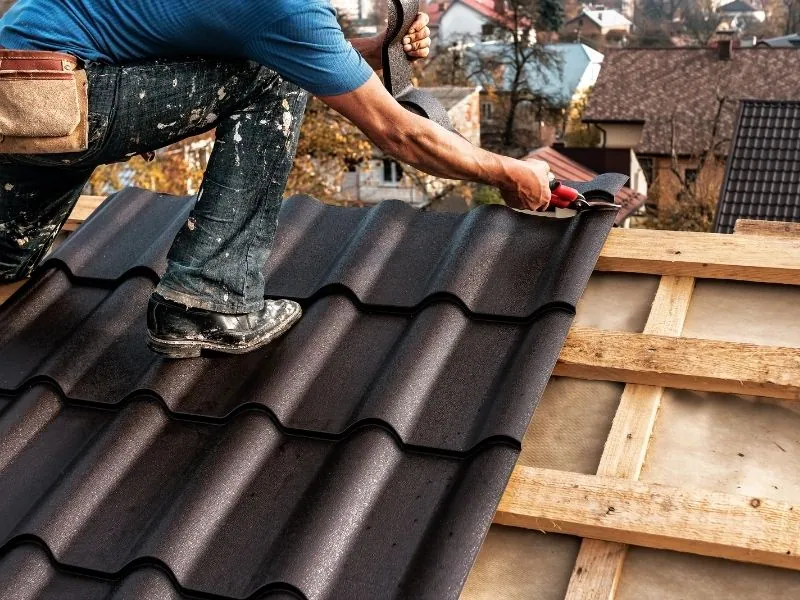
Recent roofing Projects in Walnut, CA
Roofing FAQs for Walnut Homeowners
How much does a new roof cost in Walnut, CA?
Most full projects in Walnut fall somewhere between about $14,000 and $65,000. A composition shingle reroof on a single-story ranch is at the low end. Tile lift-and-relay with new underlayment on a typical tract home often runs $18,000–$32,000, and full concrete tile replacement on a large two-story or hillside home can go well above $40,000. Roof size, pitch, deck condition, fire-zone requirements and solar detach-and-reset all affect the final number. We provide a free line-item estimate so you can see exactly where the money goes.
My tile roof looks fine. Why is it leaking?
Usually it's the underlayment, not the tile. Many Walnut tile roofs from the 1970s–90s still have their original 30-lb felt, which tends to fail after 20–30 years. Concrete tiles shed most of the water, but the felt underneath is the actual waterproofing layer. Once it cracks or crumbles, water that gets past the tile reaches the decking. That's why leaks often appear suddenly in the first heavy winter storm, near valleys, chimneys or skylights. A tile lift-and-relay replaces the underlayment and reuses your existing tile.
Do I need a permit to replace my roof in Walnut?
Yes. Reroofing and most structural roof repairs need a building permit from the City of Walnut's Building & Safety Division, and inspections are required, typically an in-progress underlayment or sheathing inspection plus a final. Reroofs may also need to meet Title 24 cool-roof requirements for Climate Zone 9 and, in mapped fire hazard areas, Chapter 7A wildfire rules. If you live in an HOA, you'll likely need architectural approval too. We prepare the permit paperwork and HOA submittal materials for you.
How long does a roof replacement take?
Most Walnut reroofs take about 3 to 10 working days once work starts, depending on size, tile versus shingle, and how much deck repair turns up. Small repairs usually take a day. Before work starts, allow time for HOA review, which can run one to four weeks, plus permit processing and solar panel removal if you have panels. We plan around winter forecasts so your roof is never left open before rain, and we schedule the city inspections for you.
Should I repair my tile roof or replace it?
It depends on the underlayment, the tile and your goals. If the tiles are in good shape and your HOA is happy with the current color, a lift-and-relay with new underlayment is often the best value. If the tile is brittle, the color has been discontinued and can't be matched, the HOA wants an updated look, or the decking is badly damaged, full replacement may make more sense. For isolated leaks on a roof with solid underlayment, a targeted repair is usually all you need. We'll show you photos and price the options side by side.
How can I prevent roof leaks before the rainy season?
Schedule an inspection or maintenance visit in late summer or fall, before the November rains. Have valleys and gutters cleared of leaves and debris, especially under eucalyptus, oak and pine trees. Replace cracked or slipped tiles, reseal skylights and roof penetrations, and check flat patio sections for ponding or open seams. If your roof is more than 20 years old, have a few tiles lifted to check the underlayment. Small fixes in October cost far less than storm-damage repairs in January.
Can you help with fire-zone requirements and insurance?
Yes. If your home is in a CAL FIRE high or very high fire hazard area, common on Walnut's hillsides, a reroof must meet Chapter 7A rules: a Class A roof assembly, ember- and flame-resistant vents, and bird stops or fire-stopping at open tile ends. We build these into your project and give you closeout documentation, including photos, the permit sign-off and material specs, that you can share with your insurer during renewal.
When should I call for emergency roofing?
Call right away if water is coming through a ceiling or light fixture, drywall is sagging, a section of roof has blown off, or a tree limb is on the roof. Waiting lets water spread into insulation, framing and electrical systems, which raises repair costs and mold risk quickly. Don't climb onto a wet or damaged roof yourself. Move valuables, catch drips, and call us. We'll put up temporary protection, document the damage for insurance, and give you a written plan for the permanent repair.
Serving Walnut, CA & Nearby
Get a Free Roof Inspection and Honest Quote in Walnut
Don't wait for the first winter storm to find out what's under your tiles. Let a local team check your roof, explain what we find, and give you a clear written quote.
- ✓Free on-site inspection with photos of what we find
- ✓Line-item written estimate with material specs
- ✓Repair, lift-and-relay and replacement options compared side by side
- ✓Permit and HOA paperwork handled for you
- ✓Bonded and insured crew that cleans up daily
- ✓Financing available for larger projects
⚡ Roof leaking right now? Call us for emergency tarping and temporary protection.
Bonded • Insured