
Bonded & Insured
Walnut, CA

Roofing Contractor in Walnut, CA: Honest Pricing, Roofs Built for Heat & Fire

Walnut roofs get it from every direction. They bake through seven or eight dry months of 90°F-plus heat. Then Santa Ana gusts come over the Puente Hills, and after that the winter storms dump most of the year's rain in a few days. A lot of local homes still have their original 1970s–90s roofs. The concrete tile can look fine from the street while the underlayment under it is crumbling. Top Value Roofing has worked on Southern California roofs since 2005. We find what's actually failing, explain your options in plain language and fix it right the first time.

We know Walnut's housing stock: S-tile subdivisions in Snow Creek, custom clay barrel roofs in Walnut Hills and steep hillside lots off Pierre Road and Grand Avenue. That means we know when a leak needs a $600 repair and when it needs a lift-and-relay. We work around HOA architectural review, Title 24 cool-roof rules and Class A fire requirements near Schabarum Regional Park. Every estimate is written and itemized, so you can compare bids side by side.

  • Serving homeowners since 2005
  • Bonded
  • Fully insured
  • Financing available
Free Estimate

Request Your Free Estimate

No obligation. Fast, honest quotes.

Prefer to talk? Call (909) 308-2575 — your details are never shared.

Credentials & Certifications BondedInsuredFinancing available
What We Do

Roofing Services for Walnut Homes and Businesses

Each service below is built around how Walnut roofs actually fail. We start with an honest diagnosis. Some roofs need a $500 repair, and some need a full replacement, and we'll tell you which yours needs. Every quote is written and itemized, and work is permitted where required.

★ Specialty

Roof Repair

We find and fix leaks, broken tile, lifted shingles, failed flashing and worn pipe boots. We trace the water path back to its real source so the leak doesn't come back next winter.

We do attic and roof-surface inspection, match replacement tiles and replace flashing rather than smearing on more sealant. Ridge and hip tiles are reset with mechanical fastening. We photo-document every repair so you can see what we found and fixed.

Most Walnut repair calls come right after a Santa Ana event or the first atmospheric-river storm. We do a lot of ridge resets on hillside homes off Pierre Road and Grand Avenue, along with solar-penetration leaks and valley repairs under the mature trees in Timberline and Snow Creek.

Best for: Roofs with localized damage, isolated leaks, wind-loosened tile or failing penetrations where the underlayment still has useful life left.

Explore
★ Specialty

Roof Replacement

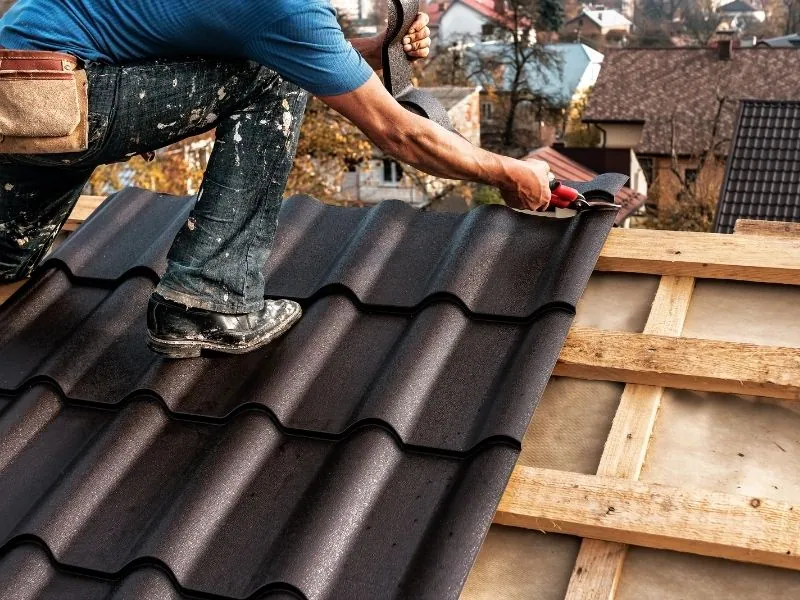
We replace failing roof systems completely. That includes tile lift-and-relay with new underlayment, full tear-off of worn shingles and conversion from wood shake to Class A tile or composition.

We use high-temperature underlayment, new valley and wall flashing, and code-compliant fastening and ventilation. We document Title 24 cool-roof compliance where required and schedule the City's in-progress underlayment inspection before tile goes back on.

Many Walnut tile roofs only need new underlayment, so a lift-and-relay can save thousands by reusing sound tile. For shake roofs in fire hazard zones near Schabarum Park and the Puente Hills, we install Class A assemblies with ember-resistant vents and paperwork you can give your insurer.

Best for: Roofs 25–40+ years old, recurring leaks, failed tile underlayment, aging wood shake or homes preparing for solar or a sale.

Explore

Roof Installation

We install new roofs on custom homes, additions, ADUs and garages. We help you choose between concrete tile, clay tile, cool-rated composition and low-slope systems based on structure, budget, HOA rules and fire zone.

We check roof weight and framing before switching to tile, specify Class A materials and design ventilation and flashing to current California Residential Code. Patios and low-slope additions get the right membrane, not shingles.

Walnut has a lot of custom estate and infill building, and many lots are hillside or equestrian-zoned. We coordinate color and profile with HOA architectural committees in planned communities. We also match new additions to existing earth-tone tile so the home keeps a consistent look.

Best for: New construction, additions, ADUs, garage and patio roofs, and owners upgrading roofing material on an existing structure.

Explore

Roof Inspection

We give you a detailed condition report on tile, shingles, underlayment, flashing, ventilation, gutters and penetrations. It includes photos and a clear call on whether to repair, maintain or replace.

We walk tile safely, lift sample tiles to check the underlayment, inspect the attic for moisture and heat damage, and check chimneys and flashing. You get a written summary you can use for budgeting, a home sale or your insurer.

Walnut tile often looks fine while the underlayment underneath is failing, so we always lift tiles to check. We also inspect after earthquakes on the Puente Hills or Whittier faults, before buying a home and before installing solar.

Best for: Buyers and sellers, pre-solar planning, post-earthquake checks, insurance documentation and owners of roofs over 20 years old.

Explore

Roof Maintenance

We do pre-season tune-ups that clean valleys and gutters, replace cracked tiles and boots, reseat loose ridge pieces and catch small problems before winter rain turns them into interior damage.

We clear debris, check and refresh flashing, replace deteriorated pipe boots, re-secure loose tile and give you a photo report. We recommend scheduling in late summer or early fall, ahead of the Santa Anas and the first storms.

Oak, eucalyptus and pine debris builds up in tile valleys across Walnut's tree-lined neighborhoods, holding moisture and becoming ember fuel. Clearing it before fire season and the rainy season protects both the roof and the home in Very High Fire Hazard Severity Zones.

Best for: Tile roofs with mature trees nearby, homes in fire hazard zones and owners who want to stretch the life of an aging roof.

Explore

Commercial Roofing

We repair, maintain and replace roofs on local commercial, retail, office and multi-unit properties, including low-slope and flat roofs, plus tile and shingle mansards common on Walnut-area storefront buildings.

We install single-ply and modified-bitumen systems, use reflective cool-roof coatings where appropriate, flash rooftop HVAC penetrations properly and schedule work around business hours to limit tenant disruption.

Commercial roofs along Valley Boulevard and near Mt. SAC take the full force of inland heat on flat, exposed surfaces. Reflective, Title 24–compliant systems can lower cooling loads, and solid drainage design handles the sudden heavy rain of winter storms.

Best for: Property managers, small business owners, HOAs with common-area buildings and owners of multi-unit or mixed-use properties.

Explore

Emergency Roofing

We respond quickly to active leaks, wind-blown ridge tiles, fallen limbs and storm damage with tarping, temporary securing and fast permanent repairs.

We stabilize first by tarping, securing loose tile and diverting water. Then we document the damage with photos for your insurance claim and come back with a written repair scope once conditions are safe.

Santa Ana gusts often loosen tiles days before an atmospheric river arrives, which leaves a small window to get the roof sealed. Hillside homes near Schabarum Park and the Diamond Bar border are especially exposed during these back-to-back wind and rain events.

Best for: Active leaks, storm or wind damage, fallen trees or branches and any situation where rain is forecast and the roof is open.

Explore
Know The Signs

Common Roofing Problems We See in Walnut

Most Walnut roof problems follow the local pattern: long heat, sudden storms, seasonal Santa Anas and aging original materials. Some are minor fixes. Others turn into ceiling damage after the first big storm. Here's what we find most often, why it happens here and what the fix usually involves.

Failed Underlayment Beneath Concrete or Clay Tile Serious

Tile isn't the waterproof layer. The felt or synthetic underlayment beneath it is. After 25–30 years of heat and UV, original felt turns brittle, tears and lets water reach the roof deck, even when every tile on top still looks perfect.

Why it's common here

Most Walnut subdivisions were roofed with concrete S-tile or flat tile between the 1970s and 1990s, usually over 30-lb felt. That felt has now been through decades of 100°F summers and attic heat buildup. The tile is still fine, but the felt underneath has dried out and cracked. Nobody notices during the dry season. Then a November or January atmospheric river pushes wind-driven water under the tiles, and the stains show up on the ceiling.

Signs you'll notice
  • Ceiling stains that appear only after heavy rain
  • Damp or dark spots on attic sheathing
  • Brittle, torn felt visible at tile edges or eaves
  • Musty smell in the attic after storms
  • Leaks that come back after spot repairs
  • Roof is 25+ years old with original tile
Local patterns

This is very common in Snow Creek, Woodside Village and the Lemon Creek area, where 1980s–90s tracts were roofed with concrete tile. We also see it on clay barrel roofs in Walnut Hills. Most calls come after the first major winter storm.

Our fix: A tile lift-and-relay: remove and stack the tile, install new high-temperature underlayment and flashing, then reset the original tile and replace any broken pieces with matching tile.

Santa Ana Wind Damage to Ridge Tiles and Shingles Emergency

Strong, dry offshore gusts can loosen ridge and hip tiles, break aging mortar, crease or lift shingle tabs and pull off flashing. Once a ridge cap shifts, rain can run straight into the roof's most exposed seam.

Why it's common here

Santa Anas blow from October through February. They come down the canyons and over the ridgelines around Walnut, often right before the rainy season starts. Hillside homes facing the Puente Hills and San Jose Hills take the strongest gusts. Old ridge mortar, which is common on 30-year-old tile roofs, cracks and releases tiles easily. Sun-dried asphalt shingles lose their adhesive seal strip, so their tabs lift and tear. The damage often goes unnoticed until rain arrives days or weeks later.

Signs you'll notice
  • Ridge or hip tiles out of line or missing
  • Mortar chunks in gutters or on the ground
  • Shingle pieces in the yard after a wind event
  • Lifted or creased shingle tabs
  • Bent or loose flashing at walls and chimneys
  • New daylight visible in the attic
Local patterns

Damage concentrates on Pierre Road and Grand Avenue hillside homes, Schabarum Park–adjacent lots and properties along the Diamond Bar border, where canyon gusts are strongest. Two-story homes with tall exposed ridgelines are hit most.

Our fix: Emergency tarping or temporary securing when rain is coming, followed by resetting ridge and hip tile with modern mechanical attachment or code-approved fasteners and replacing damaged shingles and flashing.

Corroded Valley and Pan Flashing Serious

Valleys carry the heaviest water flow on a roof. The metal flashing there and around chimneys and walls can rust through, get clogged or come loose. Leaves and debris trap moisture against the metal and speed up the corrosion.

Why it's common here

Walnut's large, complex roofs have many hips and valleys, and the mature oaks, eucalyptus, pines and sycamores around them drop debris into those valleys all year. Wet debris sits against galvanized metal for months, and decades of heat cycling stress the seams. When a big storm sends a lot of water down a blocked valley, it backs up over the flashing edge and under the tile.

Signs you'll notice
  • Leaks along interior wall lines below valleys
  • Rust streaks at valley outlets
  • Leaves and debris packed into tile valleys
  • Overflowing gutters at valley ends
  • Water stains near chimneys or dormer walls
Local patterns

Common in tree-lined neighborhoods such as Timberline, the Creekside and Snow Creek Park area and the Brookside equestrian trail neighborhoods, where mature canopy overhangs complex multi-valley roofs on custom and two-story tract homes.

Our fix: Lift adjacent tile, replace corroded valleys with new wide-profile metal, reflash walls and chimneys, then clean and reset the tile and add debris management where appropriate.

Aging Wood Shake Roofs Serious

Wood shake was popular on 1970s–80s ranch homes. After decades of UV it curls, splits and erodes, and it becomes highly flammable. In mapped fire hazard zones it can't be replaced with like material, so a full tear-off is needed.

Why it's common here

Walnut's earlier ranch-style homes and some equestrian properties were built when shake was a premium choice. Hot, dry summers have since baked those shakes brittle. Parts of the city near the Puente Hills, Schabarum open space and Tonner Canyon are Very High Fire Hazard Severity Zones, where Chapter 7A requires Class A roof assemblies. Insurers are also non-renewing or charging more for shake roofs in the wildland-urban interface, which pushes owners toward replacement.

Signs you'll notice
  • Curled, cupped or split shakes
  • Gray, eroded or thinning wood
  • Moss or debris buildup in shaded areas
  • Missing shakes after wind
  • Insurance notice citing roof material
  • Visible daylight through the roof in the attic
Local patterns

Mostly found on older ranch homes and larger lots in the Pierre Road hillside area, the Brookside equestrian neighborhoods and some original pockets along the La Puente Road and Lemon Avenue corridor.

Our fix: Full tear-off and replacement with a Class A system such as concrete tile, clay tile or upgraded composition. Includes new decking where needed, ember-resistant venting and a structural check before going to heavier tile.

Cracked or Slipped Tiles from Foot Traffic and Earthquakes Moderate

Concrete and clay tiles crack when someone steps on them wrong, and they can shift or slide after seismic shaking. One broken tile can send water straight to aging underlayment.

Why it's common here

The Puente Hills blind thrust, Whittier and San Jose faults all run near Walnut, and even moderate quakes can shift heavy tile and stress chimneys. Walnut also has a lot of rooftop solar, satellite dishes and HVAC servicing. Installers who don't know how to walk tile leave trails of cracked pieces. Older tile becomes more brittle with age, so every visit to the roof adds risk.

Signs you'll notice
  • Visible cracked or broken tiles
  • Tiles slid out of courses
  • Cracks in a trail pattern around solar or equipment
  • Chimney mortar cracks after a quake
  • Small leaks near penetrations
Local patterns

Common on solar-equipped homes throughout Walnut Ranch near Valley Blvd and Suzanne Park area tracts, and on homes with visible post-earthquake chimney movement. Clay barrel roofs on custom homes are especially vulnerable.

Our fix: Replace broken tiles with matched concrete or clay, re-secure slipped courses, inspect underlayment beneath and assess the chimney or flashing after seismic events.

Cracked Pipe Boots, Sealant and Solar Penetrations Minor

Rubber pipe-jack boots, sealant joints and solar mount flashings are the roof's weakest small parts. UV breaks down rubber and caulk long before the main roof wears out, and poorly flashed solar mounts can leak from the start.

Why it's common here

Walnut gets high UV year-round and very hot summers, which cracks rubber boots in roughly 10–15 years. Many homes added rooftop solar, and some installs relied on sealant instead of proper flashing. Sealant dries out under inland sun. These leaks are small and slow, so they often show up as attic stains or ceiling spots after the first winter storm.

Signs you'll notice
  • Split rubber around plumbing vents
  • Dried, cracked caulk at penetrations
  • Small ceiling stains near bathrooms or solar arrays
  • Water marks under solar mounts in the attic
  • Leaks that start after solar installation
Local patterns

Seen everywhere, but especially on 1990s tract homes near Mt. San Antonio College and along the Rowland Heights border where solar adoption is high and original boots are long past their service life.

Our fix: Replace pipe boots with UV-resistant or lead-style flashings, reflash solar mounts properly and remove failed sealant patches instead of layering more caulk.

Overheated Attics and Poor Ventilation Moderate

Without enough intake and exhaust ventilation, attic air in a Walnut summer can far exceed outdoor temperatures. That trapped heat cooks underlayment and shingles from below, drives up AC bills and can warp sheathing.

Why it's common here

Many Walnut homes were built before modern energy codes and have too few vents or blocked soffits. Add 100°F heat waves, dark roofing and big two-story footprints, and attics stay superheated for months. That speeds up shingle aging and underlayment failure. Homes in fire zones also need ember-resistant vents, so owners have to upgrade ventilation carefully rather than simply adding openings.

Signs you'll notice
  • Upstairs rooms much hotter than downstairs
  • High summer electric bills
  • Curling or blistering shingles
  • Sagging or warped roof decking
  • Very hot ceiling surfaces on the top floor
  • Few or blocked eave vents
Local patterns

Most noticeable in two-story 1980s–90s stucco tracts across Woodside Village and Snow Creek and in Lemon Creek area homes with dark composition roofs and limited eave venting.

Our fix: Balance intake and exhaust venting with ember-resistant vents. Where they fit the project, add cool-roof materials or radiant barriers to cut attic heat and extend roof life.

Transparent Pricing

How Much Does a Roof Cost in Walnut, CA?

Roofing costs in Walnut depend on your material, roof size and complexity, and how much of the system has to be rebuilt. The ranges below reflect typical local projects. Your written estimate will be specific to your home after a free inspection.

Typical Project

Wind-damage repair after a Santa Ana event

Reset 15–25 ft of ridge and hip tile, replace a handful of broken concrete tiles and secure loose flashing on a two-story tract home

$450 – $1,800
Typical Project

Concrete tile lift-and-relay

About 2,500 sq ft Snow Creek–style tile roof; new high-temp underlayment, valley and wall flashing, reuse of existing tile with matched replacements

$22,000 – $40,000
Typical Project

Composition shingle replacement

About 2,000 sq ft single-family home; tear-off, new underlayment, cool-rated Class A architectural shingles, new vents and pipe boots

$14,000 – $26,000
Typical Project

Wood shake to Class A tile conversion

About 3,000 sq ft hillside ranch home in a fire hazard zone; full tear-off, new decking as needed, ember-resistant vents, concrete tile, structural evaluation

$40,000 – $75,000+
Roofing Material and System Type Primary Factor

Composition shingle is usually the most affordable to replace. Concrete tile costs more, and clay barrel tile more still, especially on custom homes. A lift-and-relay that reuses sound tile often costs much less than all-new tile because the tile itself is the expensive part. Converting wood shake to Class A tile is typically the largest project, since it means full tear-off, new decking in places and sometimes structural upgrades to carry the extra weight.

Roof Size, Pitch and Complexity Primary Factor

A simple gable roof on a single-story tract home costs far less per square than a large two-story Walnut home with multiple hips, valleys, dormers and turrets. Every valley needs new flashing and careful tile cutting. Steep pitches need extra safety setups, and hillside lots or long driveways can complicate material delivery and debris removal. Complexity is often the biggest difference between two homes with the same square footage.

Underlayment and Decking Condition Secondary Factor

We can't fully see the decking until the old material comes off. On 30- to 40-year-old Walnut roofs, we often find dry-rotted sections along eaves, valleys and old leak points. Replacing damaged plywood or skip sheathing adds cost, but it's essential for a sound installation. Our estimates list per-sheet decking prices up front so any hidden repairs are predictable, not open-ended.

Code, Fire-Zone and HOA Requirements Secondary Factor

Title 24 cool-roof products, Class A assemblies, ember-resistant vents, bird stops and closed eaves required in fire hazard zones all affect material and labor costs. HOA approvals may require specific tile colors or profiles, and discontinued tile can be harder and more expensive to source. Permit and inspection fees through the City of Walnut are included in our written quotes.

Solar, Chimneys and Add-Ons Additional Factor

Rooftop solar usually needs to be removed and reinstalled during a lift-and-relay or replacement, which adds cost and scheduling. Chimney reflashing, skylight replacement, new gutters, fascia repair and attic ventilation upgrades are common add-ons for older Walnut homes. They're often worth doing during the re-roof, while crews and equipment are already on site.

Financing is available for qualifying projects. Ask us to include payment options with your written estimate. In a city where many homes are valued above $1 million, a properly installed roof protects your home's value, makes fire-zone insurance conversations easier and avoids the far higher cost of interior water damage.

Local Expertise

Why Walnut Homes Need a Roofer Who Knows the Local Conditions

Walnut sits 25 miles east of downtown Los Angeles, at the foot of the Puente and San Jose Hills. It isn't a coastal climate, and roofs here don't age like coastal roofs. Heat, wind, wildfire risk, earthquakes and strict local rules all affect how a Walnut roof should be repaired or replaced.

Climate: Long Dry Heat, Short Violent Wet Seasons

Summer highs in Walnut regularly hit the 90s, and late-summer heat waves often pass 100°F. Dark shingle surfaces in direct sun get far hotter than the air. Walnut gets roughly 15–18 inches of rain a year, and nearly all of it falls between November and March, often in one or two atmospheric-river storms. So the roof sits dry and baking for months and then has to shed heavy, wind-driven rain all at once. Constant UV dries out asphalt shingles and cracks pipe-jack boots and sealant. It also wears down the felt under tile. From October through February, Santa Ana winds blow down the canyons and lift shingle tabs and ridge tiles. Hail is rarely a factor here. Heat, UV and wind are what wear Walnut roofs out.

Built Environment: 25–40-Year-Old Tile, Shake and Complex Rooflines

Walnut incorporated in 1959, and most of its homes went up between the late 1960s and the 1990s. Concrete S-tile and flat tile cover most of the later subdivisions. Clay barrel tile tops many Mediterranean and custom estates. Some older ranch homes still carry wood shake. Many of these roofs are now 25 to 40-plus years old. Tile usually outlasts the felt underlayment underneath it, which is why so many Walnut homes need a lift-and-relay rather than all-new tile. Large two-story homes with lots of hips and valleys, hillside lots and equestrian properties make access and staging harder. Older homes also tend to have weak attic ventilation, corroded valley flashing and dry-rotted fascia.

Regulations: Permits, Title 24, Fire Zones and HOAs

Re-roofing in Walnut generally needs a permit through the City's Building and Safety division, plus an in-progress inspection of the sheathing and underlayment. Title 24 Part 6 can require cool-roof products on steep-slope re-roofs in our inland climate zone, and the job needs proper CF-2R documentation. Hillside areas near the Puente Hills and Tonner Canyon are mapped Very High Fire Hazard Severity Zones. There, Chapter 7A rules require Class A roof assemblies and ember-resistant vents, and untreated wood shake is effectively off the table. Gated and planned communities such as Timberline and the Snow Creek tracts also need HOA architectural approval for tile color and profile before any work starts.

Market: Long-Term Owners Who Compare Carefully

About 28,000 people live in Walnut, and many homes are valued above $1 million. Owner-occupancy is high, and plenty of families stay for decades. Some homes are multigenerational or investment properties. Owners here tend to get several bids and read reviews closely. They're wary of door-to-door storm chasers, and they'll pay for durability over the cheapest number. Insurance pressure in the wildland-urban interface adds another reason to get it right. Owners want Class A documentation and ember-resistant details they can show their carrier. Rooftop solar is common, so roof work often has to be coordinated with panel removal and reinstallation.

Top Value Roofing Roofing Contractor in Walnut, CA project in Walnut, CA (1)
Walnut, CA
Top Value Roofing Roofing Contractor in Walnut, CA project in Walnut, CA (2)
21+ Years
Talk to a Local Expert
The Top Value Roofing Difference

Why Walnut Homeowners Choose Top Value Roofing

Roofing Experience Since 2005

We've been working on roofs since 2005, long enough to see how tile, shingle and shake hold up across many Southern California summers and wet winters. That experience shows up in our diagnoses. We can usually tell whether a leak is a cracked tile, a failed valley or worn-out underlayment before we quote anything. For Walnut owners whose roofs went on in the 1980s or '90s, that difference often means a targeted repair or lift-and-relay instead of an unnecessary full replacement. We'd rather earn your trust than oversell you.

We Know Walnut's Roofs, Not Just Roofs in General

Walnut isn't a generic market. Snow Creek and Woodside Village are mostly concrete S-tile. Walnut Hills has clay barrel tile on custom homes. Equestrian properties along Brookside and Pierre Road still have shake. Hillside lots near Schabarum Park take the strongest Santa Ana gusts. We plan every job around those realities, from staging on steep driveways to sourcing tile that matches what your neighbors have. That local knowledge helps your project go smoothly with the City, your HOA and your insurer.

Bonded and Insured for Your Protection

Top Value Roofing is bonded and insured. Roofing is high-risk work, and an uninsured crew on your roof can put you on the hook if something goes wrong. We're glad to provide proof of coverage before work begins. We also encourage every Walnut homeowner to verify any roofer's CSLB license and insurance, ours included. Careful homeowners compare contractors closely, and we welcome that kind of checking. It's the best defense against door-to-door storm chasers.

Honest, Itemized Pricing

Our name is about value, and that starts with straight pricing. Every quote is written and itemized, covering underlayment, flashing, replacement tile, labor, permits and disposal, so you can compare it fairly against other bids. If a repair will do the job, we'll say so. If your tile is reusable, we'll quote a lift-and-relay instead of new tile. We don't add mid-project surprises without discussing them with you first and putting the change in writing.

Fire-Zone and Code Compliance Handled

Re-roofing in Walnut can involve Title 24 cool-roof rules, Chapter 7A wildland-urban interface standards, Class A assemblies, ember-resistant vents and City in-progress inspections. We pull the permits, build to those requirements and hand you the documentation at the end. For homeowners near the Puente Hills or Tonner Canyon open space, that paperwork can be helpful when talking with your insurance carrier about wildfire risk.

Fast Emergency Response Before the Next Storm

Walnut weather tends to come in sequences. A Santa Ana event loosens ridge tiles, and an atmospheric river follows a week later. When that happens, timing matters. Our emergency roofing service focuses on stabilizing your roof fast with tarps, temporary securing and water diversion. We document the damage for insurance, then return with a permanent repair plan. A quick response can be the difference between replacing a few tiles and replacing drywall, insulation and flooring.

Financing That Makes Big Projects Manageable

A tile lift-and-relay or shake-to-tile conversion on a large Walnut home is a significant investment. We offer financing so you can do the job properly now instead of patching a failing roof through another winter. Ask us to include financing options with your estimate. We'll walk you through them clearly with no pressure, so you can weigh the full cost alongside the protection a new roof gives your home's value.

Simple & Transparent

How Your Walnut Roofing Project Works

Our process is straightforward and everything is in writing. You'll know what we found, what it costs, how long it takes and what happens each day. There's no pressure and no surprise add-ons halfway through the job.

Free Inspection and Consultation

Usually scheduled within a few days; 45–90 minutes on site
  • We inspect the roof surface, lift sample tiles and check the attic
  • We photograph damage, flashing, valleys and ventilation
  • We talk through your goals, budget, solar plans and HOA status
  • We explain whether repair, lift-and-relay or replacement makes sense

Local note: On hillside and steep lots we plan safe access during the visit. We also flag whether your address falls in a mapped fire hazard zone.

Written, Itemized Estimate

Delivered within a few business days of the inspection
  • We itemize line by line: underlayment, flashing, tile replacement, labor and permits
  • We give clear material options with pros and cons
  • We note any Title 24 cool-roof or Class A requirements
  • We share financing options for larger projects

Local note: Our estimates make it easy to compare bids side by side. Most Walnut homeowners get several quotes, and we expect you to.

Permits, HOA Approval and Material Ordering

About 1–4 weeks, depending on HOA review and material availability
  • We pull the City of Walnut re-roof permit
  • We prepare color and profile submittals for HOA architectural committees
  • We source matching or replacement tile, including discontinued profiles
  • We coordinate solar panel removal if needed

Local note: Planned communities like Timberline and Snow Creek–area tracts typically require architectural approval before work begins.

Installation and Inspections

Repairs: 1 day; lift-and-relay or replacement: typically 3–10 working days
  • We protect landscaping, driveways, pools and equestrian areas
  • We remove tile or tear off old material and inspect the decking
  • We install underlayment and flashing, then schedule the City's in-progress inspection
  • We reinstall tile or new roofing with proper ventilation details

Local note: We schedule tear-offs to avoid forecast rain in winter and start early in summer to limit crew heat exposure and protect materials.

Cleanup, Final Walkthrough and Documentation

Final day of the project
  • Magnetic nail sweep and full debris haul-off
  • Final City inspection sign-off
  • We walk the job with you and share photos
  • We hand over permit, Title 24 and Class A documentation for your records and insurer

Local note: Class A and ember-resistance documentation can help hillside homeowners in insurance conversations.

Trusted Locally

Trusted Roofing Work Since 2005

In Business Since
2005
Walnut, CA

Walnut homeowners compare carefully, read reviews and ask friends and neighbors for referrals. We earn those recommendations with honest diagnoses, written quotes and clean, careful work on every roof.

20 mi
Service Radius
Bonded & Insured
Protection on Every Job
Free
Written Estimates
BondedInsuredFinancing available
Where We Work

Roofing Service Areas in and Around Walnut

We're focused on Walnut, from hillside estates off Pierre Road to the tract neighborhoods near Valley Boulevard. We also serve nearby communities within a 20-mile radius, so if you live just across the Diamond Bar or Rowland Heights line, we can help you too.

South Walnut Hillside and Open-Space Edges

Pierre Road / Grand Avenue hillside areaSchabarum Regional Park–adjacent hillsidesWalnut HillsTimberlineBrookside / equestrian trail neighborhoods

Central and North Walnut Neighborhoods

Snow CreekCreekside / Snow Creek Park areaWoodside VillageLemon Creek areaSuzanne Park area

Walnut Corridors and Border Areas

Walnut Ranch area near Valley BlvdLa Puente Road / Lemon Avenue corridorNear Mt. San Antonio CollegeDiamond Bar border (Grand Ave)Rowland Heights border

Not sure if we cover your area? Call (909) 308-2575.

Find Us

Serving Walnut, CA & Nearby

20265 Valley Boulevard suite h, Walnut, CA, 91789 · Monday - Sunday: 7AM - 7PM

Pierre Road / Grand Avenue hillside areaSchabarum Regional Park–adjacent hillsidesWalnut HillsTimberlineBrookside / equestrian trail neighborhoodsSnow CreekCreekside / Snow Creek Park areaWoodside VillageLemon Creek areaSuzanne Park areaWalnut Ranch area near Valley BlvdLa Puente Road / Lemon Avenue corridorNear Mt. San Antonio CollegeDiamond Bar border (Grand Ave)
Questions & Answers

Walnut Roofing FAQs

How much does a new roof cost in Walnut, CA?

Most full roofing projects in Walnut fall between about $14,000 and $40,000. A composition shingle replacement on a 2,000 sq ft home typically runs $14,000–$26,000. A tile lift-and-relay on a 2,500 sq ft home is often $22,000–$40,000. Converting wood shake to Class A tile on a large hillside home can reach $40,000–$75,000 or more. Smaller repairs, such as resetting wind-loosened ridge tile, usually cost a few hundred to under $2,000. Your actual price depends on roof complexity, decking condition, solar and code requirements. We provide a free, itemized written estimate after inspecting your roof.

My tile roof looks fine. Why is it leaking?

It's almost always the underlayment. On Walnut tile roofs, the concrete or clay tiles are mostly there to shed water and protect the layer underneath from sun. The felt or synthetic underlayment under the tile is the real waterproofing. After 25–30 years of inland heat, original felt dries out, cracks and tears, so wind-driven storm water gets through even though the tiles look perfect from the street. We lift sample tiles during inspection to check. If the tiles are sound, a lift-and-relay with new underlayment and flashing is usually the right fix, and it costs less than all-new tile.

How long does a roof replacement take?

Most Walnut re-roofs take 3 to 10 working days once work starts. A simple shingle replacement can finish in 2–4 days. A tile lift-and-relay on a large two-story home with many valleys typically takes 5–10 days, including the City's in-progress underlayment inspection. Before that, permits, HOA architectural approval and tile sourcing can add 1–4 weeks. Solar removal and reinstallation also needs to be coordinated. In winter we schedule tear-offs around the forecast so your roof is never left open before a storm.

Do I need a permit to replace my roof in Walnut?

Yes. Re-roofing in Walnut generally requires a permit from the City's Building and Safety division, including an in-progress inspection of the sheathing and underlayment and a final inspection. The work must meet the California Residential Code and Title 24 energy standards, which can require cool-roof products on steep-slope re-roofs. Homes in mapped fire hazard severity zones need Class A assemblies and ember-resistant details. If you're in an HOA community like Timberline or the Snow Creek tracts, you'll likely need architectural approval too. We handle the permit and help prepare HOA submittals.

Can I replace my wood shake roof with new wood shake?

In most of Walnut's hillside areas, realistically no. Parts of the city near the Puente Hills, Schabarum Regional Park and Tonner Canyon are mapped Very High Fire Hazard Severity Zones. California's Chapter 7A wildland-urban interface rules and LA County fire standards require Class A roof assemblies there, which effectively rules out untreated wood shake. Most owners switch to concrete tile, clay tile or Class A composition shingles. If you're moving to heavier tile, we recommend a structural evaluation first. Many owners also find that leaving shake behind helps when they talk with their insurer about wildfire risk.

How can I prevent roof leaks before the rainy season?

Schedule maintenance in late summer or early fall, before the Santa Anas and the first storms. Have valleys and gutters cleared of oak, eucalyptus and pine debris, which traps water and can catch embers. Replace cracked pipe boots and dried-out sealant, re-secure loose ridge and hip tiles and swap out broken tiles. Check flashing around chimneys, walls and solar mounts. Keep people who don't know how to walk tile off your roof. If your roof is 20+ years old, ask for an underlayment check during an inspection so you can plan ahead rather than react to a ceiling stain.

When should I call a roofer right away?

Call immediately if you see water dripping or spreading ceiling stains, missing or shifted ridge tiles after a wind event, or a fallen branch on the roof. Also call if a storm is forecast and you know a section is open or damaged. Santa Ana winds often loosen tiles just before winter rain arrives, so a fast tarp or temporary repair can prevent drywall, insulation and flooring damage. After a noticeable earthquake, schedule an inspection of tile and chimneys soon, even if nothing looks wrong yet.

Should I replace my roof before installing solar?

If your roof is more than about 15–20 years into its life, or your tile underlayment is original, usually yes. Solar panels typically last 25 years or more. Removing and reinstalling them later to fix the roof underneath adds significant cost. Replacing or relaying the roof first means the panels go on a fresh, properly flashed surface. If you already have solar, we coordinate panel removal and reinstallation during your re-roof and make sure every penetration is properly flashed, not just sealed with caulk.

Get Your Free Walnut Roof Inspection and Quote

Don't wait for the first big winter storm to tell you something's wrong. We'll inspect your roof, show you what we find and give you an honest written quote you can compare with confidence.

  • Free on-site inspection, including underlayment checks on tile roofs
  • Photo documentation of every issue we find
  • Written, itemized estimate with clear material options
  • Bonded and insured crews, with experience since 2005
  • Permit, Title 24 and Class A fire-zone requirements handled
  • Clean job site and full debris haul-off
  • Financing available for larger projects

Proudly serving Walnut and communities within a 20-mile radius, including homes along the Diamond Bar and Rowland Heights borders.

Active leak or wind-blown tiles with rain on the way? Call now for emergency roofing help with tarping and temporary securing.

Bonded • Insured

Call (909) 308-2575 Free Estimate